Die Schöne und das Biest
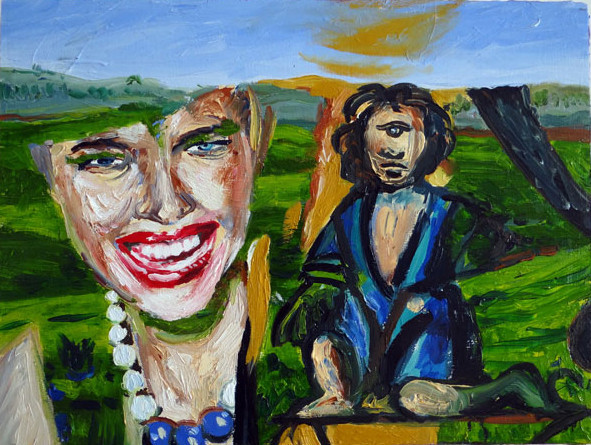
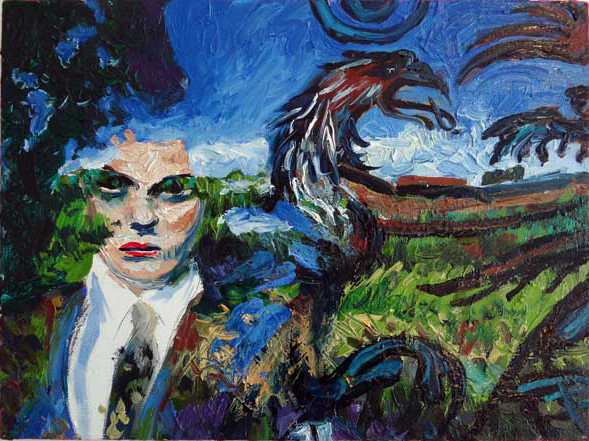
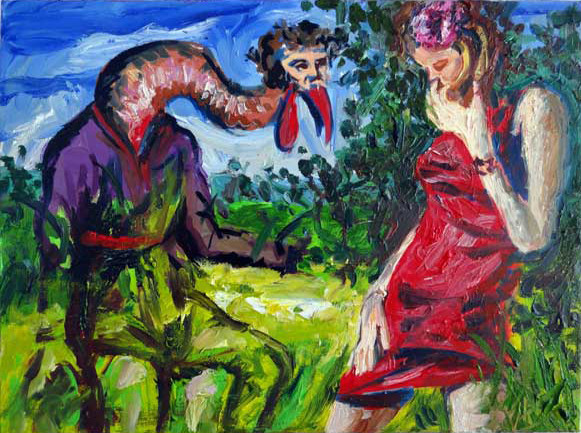
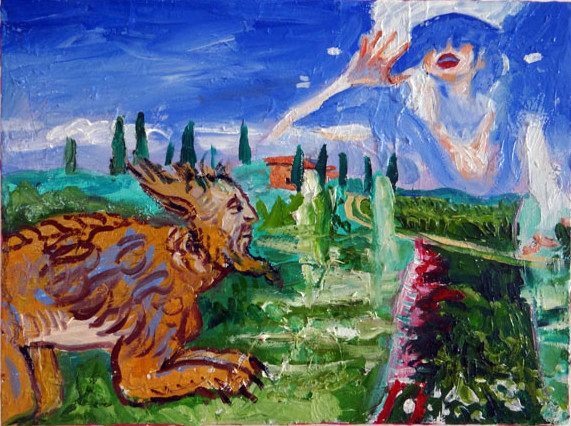
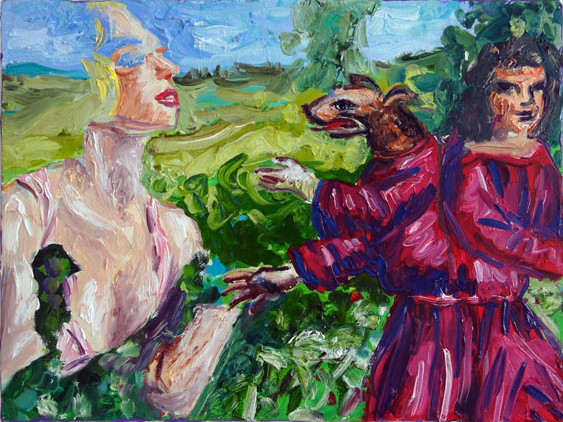
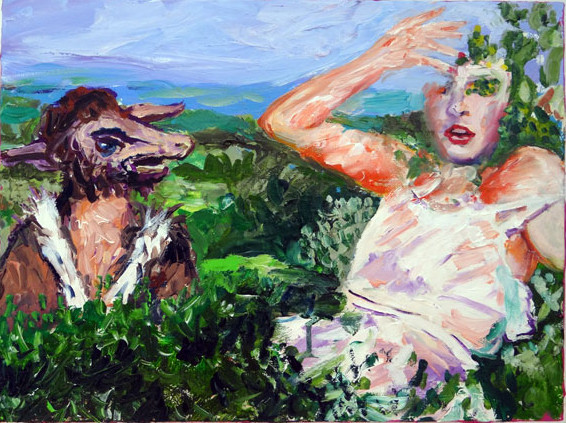
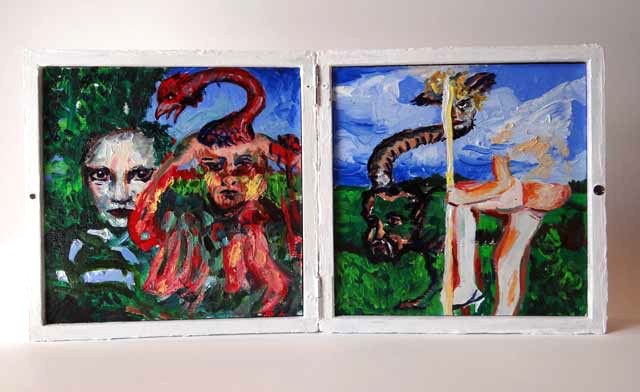
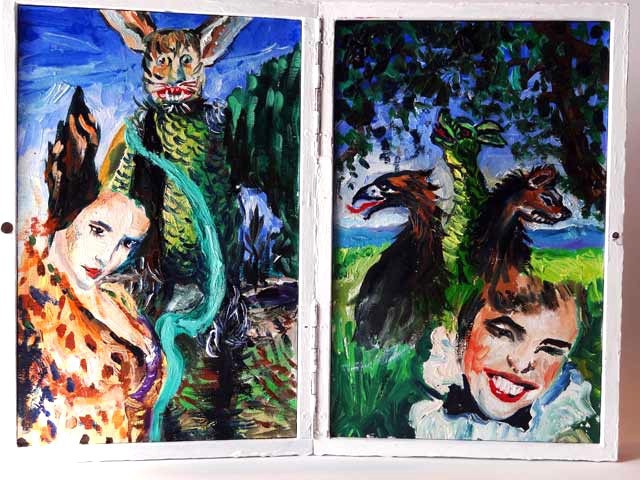
„Nein, mein liebes Tier, Ihr dürft nicht sterben“, sagt die Schöne – und oh Wunder – das Tier verschwindet und zu ihren Füßen erblickt sie einen Prinzen, schön wie Amor, der ihr dafür dankt, dass sie ihn aus seiner Verzauberung erlöst habe.
In der märchenhaften Diktion des 18. Jahrhunderts der Autorin der "Schönen und das Biest", Madame Leprince de Beaumont, die auf ältere Motive der Tiermetamorphosen, etwa im „Goldenen Esel“ des Apuleius zurückgreift, entdeckte die Schöne nicht den Mann im Tier.
Die Fabelwesen sind nur in ihrem Werden, in ihren Metamorphosen zu begreifen.
Die Monster der Vormoderne vermögen das Bedrohliche und Unheimliche auszudrücken und erscheinen in meinen Gemälden der Serie „Die Schöne und das Biest“ nicht in ihrer heutigen high-tech digitalisierten Hyperrealität, sondern als etwas ironisches Bild mit all seinen Verweisungscharakteren.
 Teilen
 Druckversion